
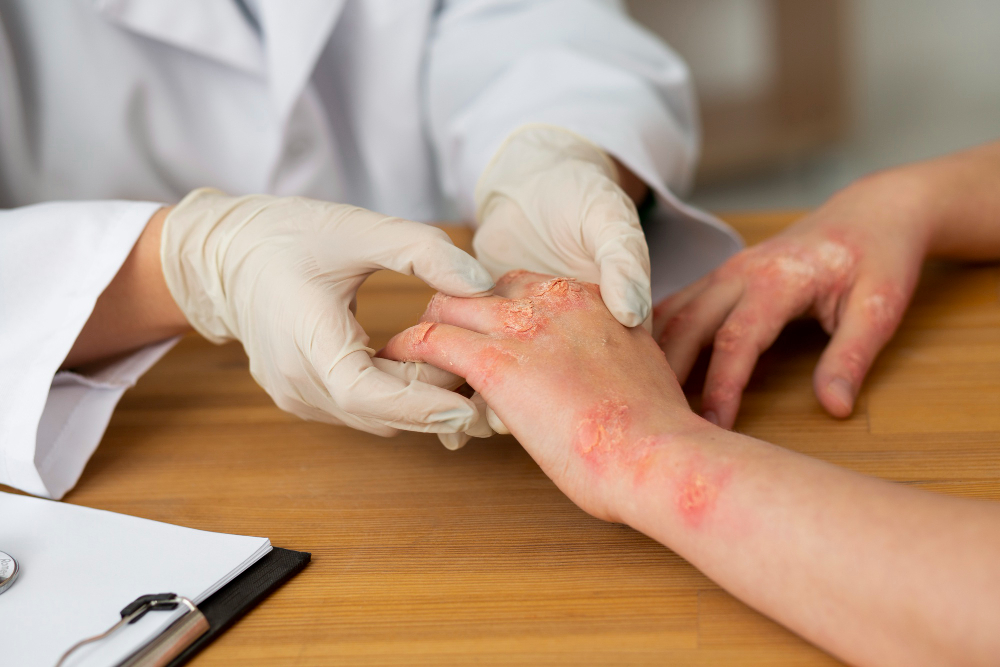
What is Contact Dermatitis?
Contact dermatitis is a common skin problem. It happens when your skin touches something that causes irritation or an allergic reaction. As a result, you may notice a red, itchy rash. According to the CDC, contact dermatitis affects millions of people each year. While it is not contagious, it can be uncomfortable. For many, avoiding triggers is the best way to prevent flare-ups.
Common Symptoms
Often, symptoms of contact dermatitis appear soon after contact with an irritant or allergen. However, sometimes they may take a day or two to show up. Watch for these signs:
Sometimes, the rash may ooze or become crusty. In most cases, symptoms improve once you avoid the cause.
Main Causes: Allergens vs. Irritants
There are two main types of contact dermatitis. First, irritant contact dermatitis happens when something damages your skin. For example, soaps, detergents, or cleaning products can cause this. Second, allergic contact dermatitis occurs when your immune system reacts to a harmless substance. Common triggers include nickel, fragrances, or certain plants like poison ivy.
Here are some common causes:
Knowing the difference between allergens and irritants can help you avoid future rashes.
How Contact Dermatitis is Diagnosed
Doctors usually diagnose contact dermatitis by looking at your skin and asking about your history. Sometimes, they may use a patch test. In this test, small amounts of possible allergens are placed on your skin. After a few days, your doctor checks for a reaction. This helps find the exact cause of your rash. According to the American Academy of Dermatology, patch testing is safe and helpful for many people.
Effective Treatment Options
Most cases of contact dermatitis get better once you avoid the trigger. However, there are ways to ease symptoms:
For severe or long-lasting rashes, a dermatologist may prescribe stronger creams or medicines. Always follow your doctor’s advice for the best results.
Practical Tips to Prevent Rashes
Prevention is key for contact dermatitis. Here are some dermatologist tips for contact dermatitis prevention:
By taking these steps, you can lower your risk of allergic skin rash causes and avoid skin rashes from irritants.
Lifestyle Guidance for Sensitive Skin
People with sensitive skin need extra care. For example, always moisturize after washing. In addition, wear loose, soft clothing to avoid friction. Try to keep your skin cool and dry, especially in hot weather. If you sweat, shower soon after to remove irritants. Also, avoid scratching, as this can make rashes worse. Finally, keep your nails short to prevent skin damage.
Conclusion
Contact dermatitis can be bothersome, but you can manage it with the right steps. Remember, knowing your triggers and following dermatologist tips for contact dermatitis can help prevent future rashes. If you have ongoing or severe symptoms, consult Vaishnavi Clinic for personalized advice on managing contact dermatitis. Our expert dermatologists are here to help you find the best treatment plan for your skin.