
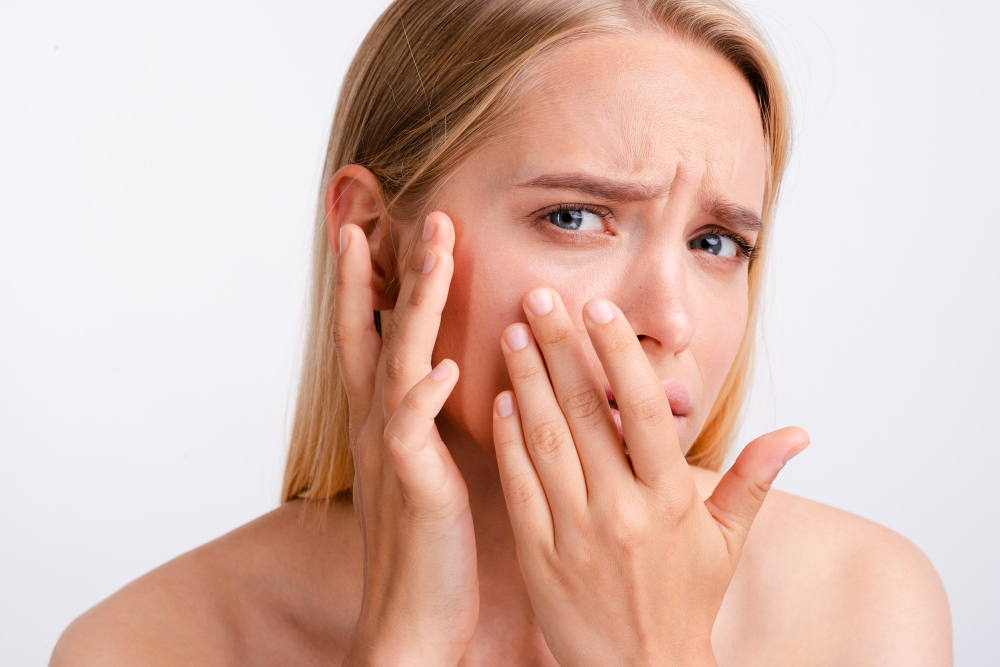
What is Skin Dehydration?
Skin dehydration happens when your skin loses more water than it takes in. As a result, your skin may feel dry, tight, or rough. Unlike dry skin, which is a skin type, skin dehydration is a temporary condition. Anyone can experience it, no matter their skin type. Because skin dehydration can affect how your skin looks and feels, it is important to understand what causes it and how to treat dehydrated skin.
Common Causes of Skin Dehydration
Many factors can lead to skin dehydration. For example, weather changes often affect your skin’s moisture. In addition, your daily habits and environment play a big role. Here are some common causes:
Because these factors are common, anyone can develop skin dehydration at any time.
Recognizing Symptoms of Skin Dehydration
It is important to spot the signs of skin dehydration early. This way, you can take steps to help your skin recover. Common symptoms include:
Sometimes, makeup may not sit well on dehydrated skin. If you notice these signs of skin dehydration, simple changes can often help.
Diagnosis: How Skin Dehydration is Identified
Doctors and dermatologists can help diagnose skin dehydration. Usually, they start by asking about your symptoms and daily habits. For example, they may ask about your water intake or skincare routine. Next, they will examine your skin’s appearance and texture. In some cases, they may gently pinch your skin to see how quickly it returns to normal. If your skin stays pinched or looks wrinkled, it may be dehydrated. Most of the time, no special tests are needed. However, if your symptoms are severe, your doctor may check for other health problems.
Treatment Options for Skin Dehydration
Thankfully, treating skin dehydration is often simple. Most people see improvement with a few changes. Here are some effective ways to treat dehydrated skin:
Because everyone’s skin is different, you may need to try a few options to see what works best for you.
Prevention Tips and Lifestyle Guidance
Preventing skin dehydration is easier than you might think. With a few daily habits, you can keep your skin healthy and hydrated. Here are some helpful tips:
In dry or cold climates, you may need to moisturize more often. On the other hand, in hot or humid areas, focus on gentle cleansing and sun protection.
When to Seek Medical Advice
Most cases of skin dehydration improve with simple care. However, sometimes you may need to see a doctor. For example, if your skin stays dry or irritated despite home care, it is best to get help. Also, if you notice severe redness, swelling, or pain, consult a dermatologist at Vaishnavi Clinic. In rare cases, skin dehydration can be a sign of an underlying health problem. Therefore, always seek medical advice if you are unsure about your symptoms.
For personalized advice on managing skin dehydration, consult Vaishnavi Clinic. They can help you find the best treatment for your skin’s needs.