
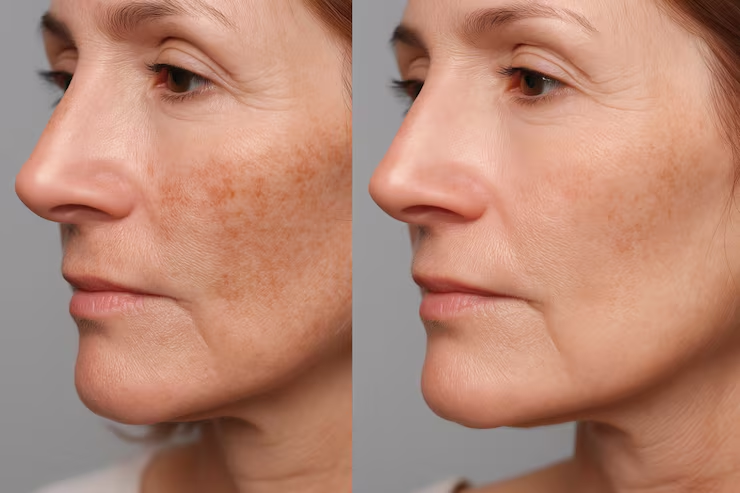
What is Melasma?
Melasma is a common skin condition. It causes brown or gray patches to appear on the face. Often, these patches show up on the cheeks, forehead, nose, or upper lip. Many people notice melasma more in sunny weather. While anyone can get melasma, it is more common in women, especially during pregnancy. For this reason, some call it the “mask of pregnancy.” However, men can also develop melasma.
Common Symptoms of Melasma
Melasma symptoms are easy to spot. Usually, the main sign is a change in skin color. But, it is important to know what to look for. For example, you may notice:
Sometimes, melasma can make people feel self-conscious. Yet, it does not cause any physical harm.
Causes and Risk Factors
Melasma develops when skin cells make too much pigment. This pigment gives skin its color. But, what causes this to happen? Several factors can play a role. For instance, common melasma causes include:
Because of these factors, melasma is more common in sunny areas. Wearing sunscreen can help lower your risk.
How Melasma is Diagnosed
Doctors can often diagnose melasma by looking at your skin. However, they may use a special light called a Wood’s lamp to see how deep the pigment goes. Sometimes, a skin biopsy is needed to rule out other conditions. But, this is rare. Most of the time, a simple exam is enough. If you notice new or changing patches, it is wise to see a doctor for a proper diagnosis.
Treatment Options for Melasma
Melasma treatment options depend on how severe the patches are. Some cases fade on their own, especially after pregnancy or stopping certain medicines. However, if melasma does not go away, treatments can help lighten the skin. Common treatments include:
Even so, results may take time. It is important to follow your doctor’s advice and protect your skin from the sun during treatment.
Lifestyle Tips and Prevention
While melasma can be stubborn, you can take steps to prevent it or stop it from getting worse. For example:
Because sun exposure is a major trigger, protecting your skin is key. These steps can help reduce your risk of melasma or prevent it from coming back.
When to See a Doctor
If you notice new dark patches on your skin, it is a good idea to see a healthcare provider. Sometimes, other skin conditions can look like melasma. Early diagnosis helps you get the right treatment. Also, if your current treatment is not working, your doctor can suggest other options. Remember, professional advice is important for managing melasma safely.
In summary, melasma is a common skin condition that can be managed with the right care. Consult a dermatologist at Vaishnavi Clinic for personalized advice on melasma.