
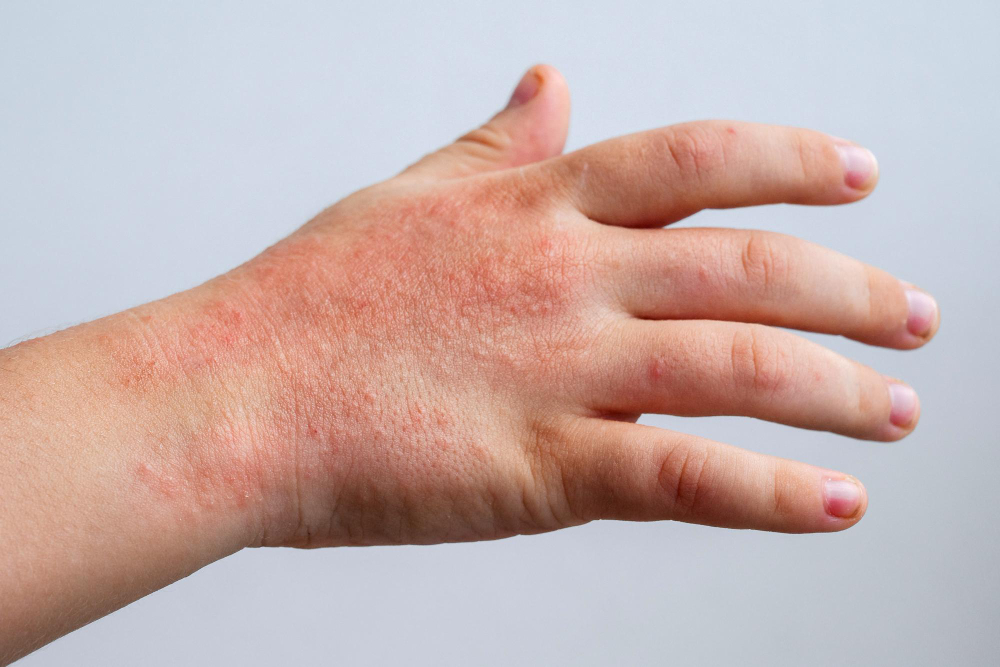
What is Eczema?
Eczema is a common skin condition that causes dry, itchy, and inflamed skin. Many people experience eczema at some point in their lives. In fact, the Centers for Disease Control and Prevention (CDC) reports that eczema affects millions of children and adults worldwide. Although eczema is not contagious, it can be uncomfortable. For some, it may even affect daily life. Because eczema can look different for each person, it is important to understand its signs and how to manage eczema properly.
Common Symptoms of Eczema
People with eczema often notice certain signs on their skin. However, symptoms can vary from mild to severe. Early recognition helps with better eczema treatment. Here are some common eczema symptoms:
Sometimes, symptoms flare up and then improve. But for many, eczema is a long-term condition.
Causes and Risk Factors
Doctors do not know the exact cause of eczema. Still, several factors may increase your risk. For example, eczema often runs in families. If a parent has eczema, their child is more likely to get it. Other risk factors include:
Additionally, the skin’s protective barrier may not work well in people with eczema. This makes it easier for irritants and germs to enter the skin. As a result, flare-ups can happen more often.
How Eczema is Diagnosed
Doctors diagnose eczema by looking at your skin and asking about your symptoms. Usually, no special tests are needed. However, your doctor may ask about your family history or other allergies. Sometimes, they may do a patch test to rule out other skin problems. Early diagnosis helps you start the right eczema treatment sooner. For those seeking eczema care in their area, a dermatologist can provide expert advice.
Treatment Options for Eczema
There is no cure for eczema, but many treatments can help manage symptoms. Because each person’s skin is different, treatment plans may vary. Common eczema treatment options include:
Always follow your doctor’s advice for the best results. In addition, avoid scratching, as this can make eczema worse.
Lifestyle Tips and Prevention
Although eczema cannot always be prevented, some steps can help reduce flare-ups. For example, simple lifestyle changes may make a big difference. Try these tips on how to manage eczema:
With these habits, you may notice fewer symptoms and less discomfort.
When to See a Dermatologist
Sometimes, eczema symptoms do not improve with home care. In these cases, it is important to seek help. You should see a dermatologist if:
- Your eczema is severe or spreading
- You have signs of infection, such as pus or fever
- Itching keeps you awake at night
- Over-the-counter treatments are not working
Because eczema can affect your quality of life, professional care can help you find relief.
For personalized eczema management and advice, consult Vaishnavi Clinic. Early treatment can help you feel better and keep your skin healthy.